 智库观点
智库观点2035科技智库讲堂:从国际组织视角看中国科技创新发展
2025-12-12 09:11:58 浏览数量:次
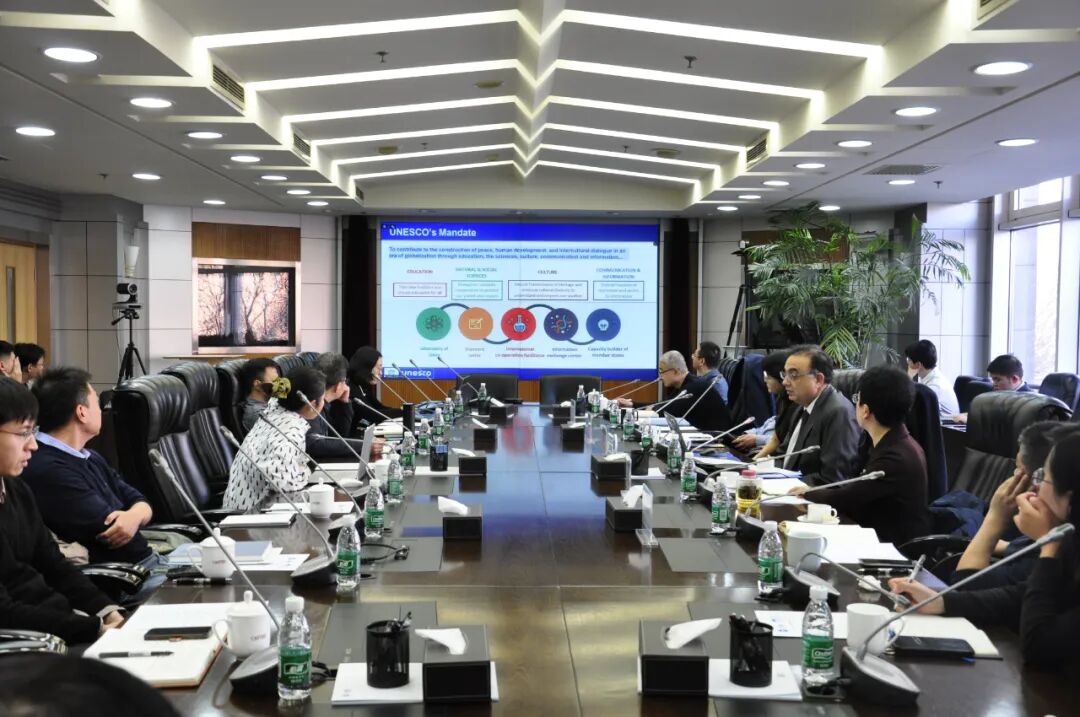
近日,中国科学技术发展战略研究院与中国科学技术交流中心联合组织开展“2035科技智库讲堂”活动,邀请联合国教科文组织(UNESCO)东亚地区办事处主任、2019年中国政府友谊奖获得者夏泽翰(Shahbaz Khan)以“从国际组织视角看中国科技创新发展”为主题作专题学术讲座。科技部国际合作司、战略研究院、交流中心、国际科技合作中心、科技日报社人员在现场参加学习交流,河北省科技创新战略研究院人员在线上参加活动。
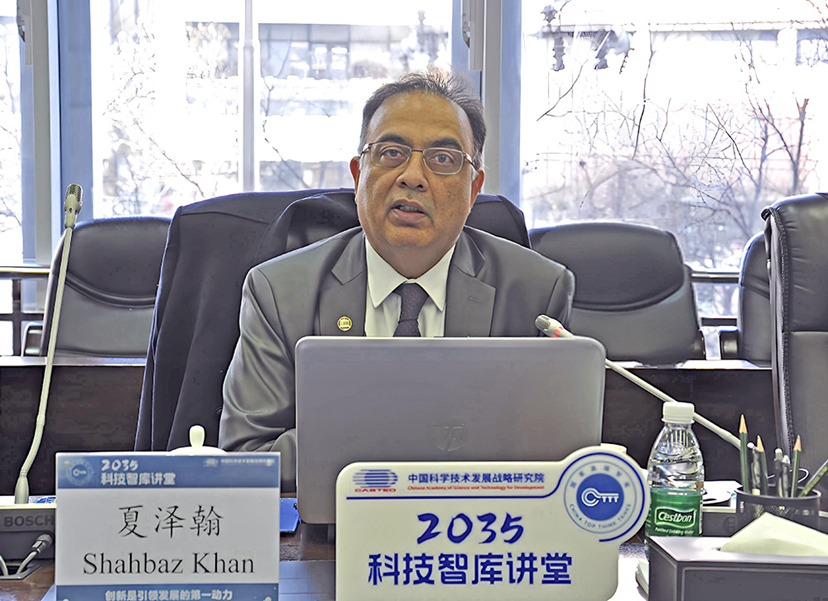
夏泽翰教授以UNESCO的使命与2030年可持续发展目标作为切入点,从国际组织的视角,讲述了中国在推动全球科技创新合作、形成科技创新共识和搭建多边科学框架等方面的积极贡献,以及依托UNESCO一类中心和二类中心等合作平台,与UNESCO在人工智能、开放科学、科学外交等方面开展的务实合作。夏泽翰表示,中国“以人为本”“共同富裕”的发展理念与UNESCO“不丢下任何一个”的主张本质上是相通的,UNESCO和中国在科技创新领域有着共同的目标。今后双方在支持绿色发展理念、推动科技伦理研究、促进南南科技合作方面拥有广泛合作空间。此外,夏泽翰还就推动实现可持续发展目标、建设更加包容可持续的全球创新生态提出了观点建议。
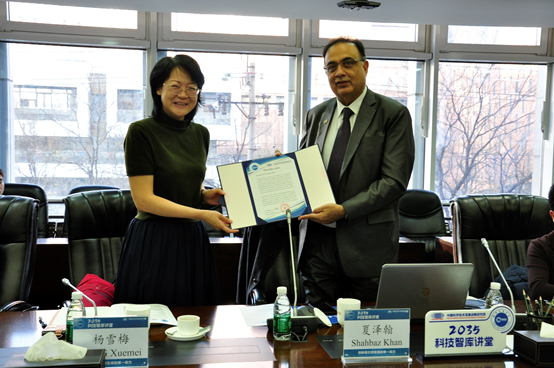
© CASTED
在交流讨论环节,与会人员就中国参与开放科学的实践、UNESCO在国际科技合作中发挥的作用及UNESCO未来与中国的合作进行了讨论。
2035 Sci-Tech Think Tank Lecture Series:China’s STI Development from the Perspective of International Organizations
On December 8, Chinese Academy of Science and Technology for Development (CASTED), together with China Science and Technology Exchange Center (CSTEC), jointly organized the 2035 Sci-Tech Think Tank Lecture Series. Prof. Shahbaz Khan, Director of the UNESCO Regional Office for East Asia and winner of the 2019 China Friendship Awardwas invited to give an academic lecture on the theme 'China’s STI Development from the Perspective of International Organizations.' The event was attended offline by the Department of International Cooperation of MOST, CSTEC, International Science and Technology Cooperation Center, and Science and Technology Daily, and was attended online by Hebei Institution of Sci-tech Innovation Strategy.
Prof. Shahbaz Khan took UNESCO's mandate and the 2030 Sustainable Development Goals as a starting point to describe, from the perspective of international organizations, China's active contributions in promoting global scientific and technological innovation cooperation, forming ethical consensus, and building multilateral science frameworks. He also discussed the practical cooperation between China and UNESCO in areas such as artificial intelligence, open science, and science diplomacy, leveraging cooperation platforms like UNESCO Category I and II centers. Prof. Shahbaz Khan stated that China's development concepts of being 'people-centered' and 'pursuing common prosperity' are essentially aligned with UNESCO's principle of 'leaving no one behind,' and that UNESCO and China share common goals in the field of scientific and technological innovation. In the future, both parties have broad opportunities for cooperation in supporting green development concepts, promoting research on science and technology ethics, and facilitating South-South scientific and technological cooperation. Additionally, Prof. Shahbaz Khan offered opinions and suggestions on promoting the achievement of the Sustainable Development Goals and building a more inclusive and sustainable global innovation ecosystem.
During the Q&A session, participants discussed China's practices in promoting open science, the role of UNESCO in international scientific and technological cooperation, and UNESCO's future cooperation with China.
来源:中心官微